
custom food trucks, builT in oregon
Custom food truck and food trailer builders in Clackamas, Oregon, serving Portland, Seattle and clients in all 50 states.
visit the shop
sales@customfoodtrucksllc.com

01
food trucks & TRAILERS
02
service areas


A food truck's electrical system decides whether the coolers stay cold, the hood fan keeps pulling smoke and the truck passes inspection the first time. Every truck needs three things: a power source, a panel that splits that power into protected circuits, and wiring built for a vehicle that bounces down the road every day. Here is how each part works, how to choose between 30 and 50 amp service, and what inspectors look for.
There are three common sources, and most trucks use at least two. A generator powers the truck on the street or at an event. Shore power is a cord from the truck's inlet to an outlet or pedestal at the commissary, a brewery or a food cart pod, and it is quieter and cheaper per hour than burning fuel. A battery bank with an inverter carries small loads like lights, the water pump and the POS system, so the generator does not have to run through slow periods or quiet hours.
All of those sources should feed one main panel through a transfer switch or interlock, so only one can be connected at a time. That keeps a running generator from back-feeding a shore power outlet, which can damage equipment and shock whoever is working on the other end.
Sizing the system starts with the equipment list. Add up the running watts of everything that can be on at once, note which appliances need 240 volts, and size the service and the generator from there. Our food truck generator guide has a wattage chart and three worked examples.
Food trucks usually use the same connectors as RVs. A 30-amp service uses a TT-30 plug at 120 volts and delivers about 3,600 watts. A 50-amp service uses a 14-50 plug with two 120-volt legs, so it supplies 120/240 volts and up to about 12,000 watts.
Thirty amps works for coffee carts, dessert trailers and propane-heavy menus with a couple of refrigerators. Once you add an air conditioner, an espresso machine with a large boiler, electric fryers or induction, you need 50-amp service, and 240-volt equipment cannot run on a 30-amp, 120-volt hookup at all.
Match the inlet to where you will plug in. Many commissaries and food cart pods offer 30-amp or 50-amp RV-style outlets, and an adapter that lets a 50-amp truck plug into a 30-amp outlet limits you to 30 amps.

The service rating is a ceiling, not a supply. A truck with a 50-amp inlet running on a 4,000-watt generator still has only 4,000 watts to work with, so the generator, the inlet and the panel have to be sized together.
Give every refrigerator, freezer and the air conditioner its own circuit, so one compressor starting does not trip the breaker that runs the POS. Typical branch circuits use 12-gauge copper on 20-amp breakers and 10-gauge on 30-amp circuits. Label every breaker so the crew can reset the right one in the middle of service.
Receptacles near sinks and on the outside of the truck need GFCI protection. Run wiring in conduit or protected raceways, keep it clear of the hood, fryers and water lines, and use strain relief at every cord so road vibration does not loosen connections. LED lighting draws a fraction of what older fixtures did, which leaves more power for cooking.
Plan outlets around the layout: put a dedicated receptacle where each piece of equipment will sit instead of relying on power strips, which inspectors flag. Our food truck design guide shows how equipment placement drives the electrical plan.

A lithium battery bank and a pure sine wave inverter can run lights, the water pump, the POS and a small refrigerator for hours without a generator. That helps at events with quiet hours and while you drive between stops. The batteries recharge from the generator, shore power or the vehicle's alternator.
Roof-mounted solar can top up the batteries during the day, but a roof's worth of panels will not run cooking equipment or an air conditioner on its own. In Washington, solar and other alternate energy sources also trigger an L&I plan review, so include them in the plans from the start.
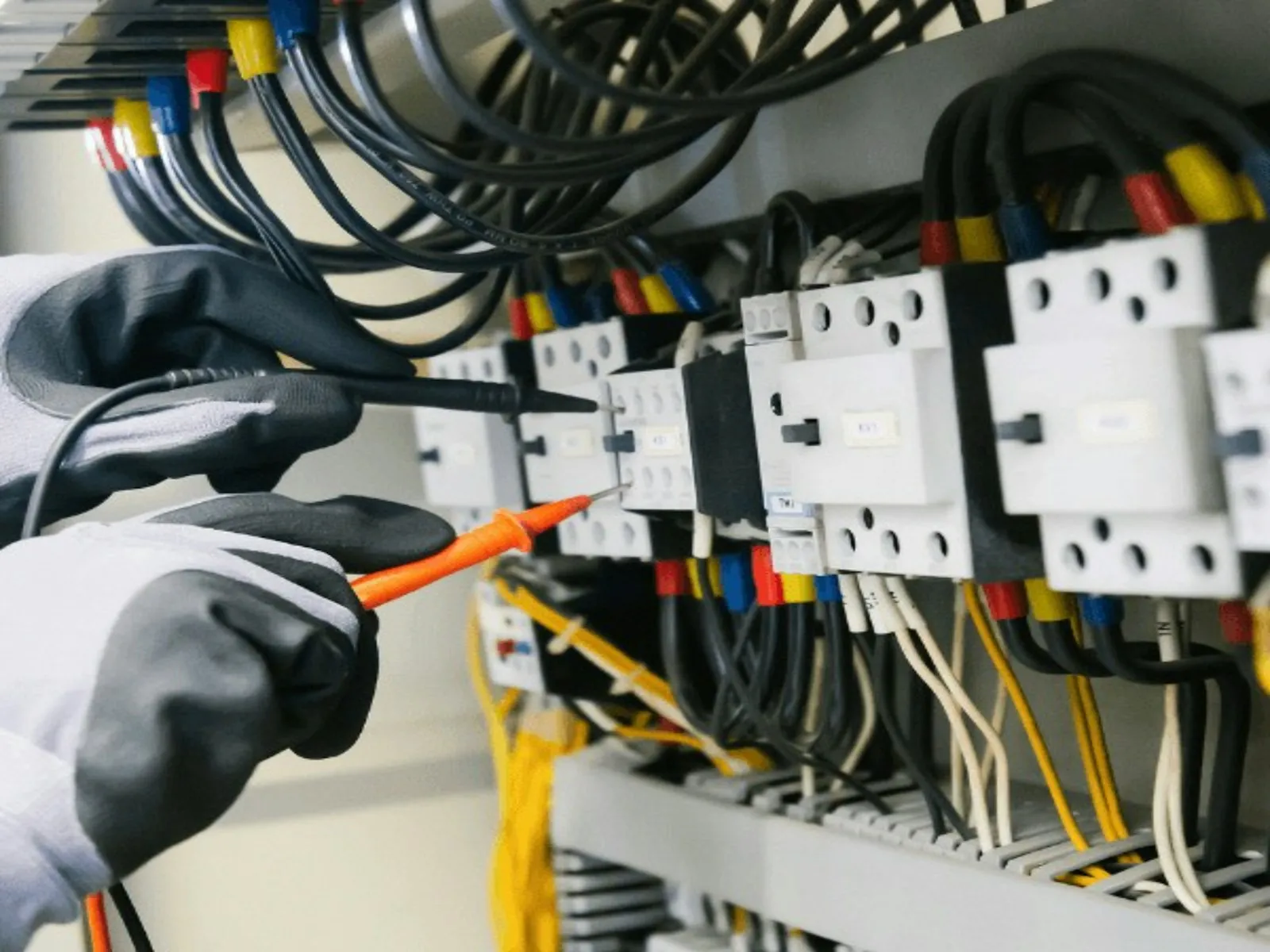
In Washington, every food truck and trailer has to pass a Department of Labor & Industries inspection and carry an L&I insignia before it can operate. Plans must be approved first when the electrical system is over 50 amps, over 240 volts or has more than five circuits, and L&I warns that plan review can take several months. If you are buying a used truck in Washington, check for the insignia.
In Oregon and most other states, the fire marshal's inspection covers how power reaches the truck. Oregon's fire code requires a carbon monoxide alarm where generators are used, and at outdoor events electrical equipment and wiring have to be listed and labeled for outdoor use, with extension cords used the way the electrical code allows. The county health department reviews the rest of the build, which our food truck permits and licenses guide walks through. Ask for the local checklist before the build starts.
Both are common. Small trucks and trailers that cook with propane often run on 30-amp, 120-volt service, which supplies about 3,600 watts. Trucks with an air conditioner, an espresso machine, electric fryers or induction need 50-amp, 120/240-volt service, which supplies up to about 12,000 watts.
From a generator, from a shore power cord plugged into an outlet at a commissary or food cart pod, or from a battery bank with an inverter. Most trucks combine two of these and switch between them with a transfer switch.
You can, but the work still has to pass inspection. In Washington every food truck needs an L&I inspection and insignia, and larger systems need approved plans first. Problems found at inspection mean opening finished walls, so most owners have the builder or a licensed electrician design and install the system.
Building a new truck or trailer? Custom Food Trucks LLC designs the power system around your menu and equipment as part of every build. Send us your equipment list for a free estimate.
Published by Custom Food Trucks LLC | Published: October 28, 2026 | Last updated: October 28, 2026 | Custom Food Trucks LLC, 14976 SE 172nd Ave, Clackamas, OR 97015
