Hours: 9:00 am - 5:00 pm

Launching a food truck without the right paperwork is the fastest way to get shut down on your first day of service. Health inspectors, city code enforcement, and fire marshals can all close an unpermitted truck on the spot, and fines for operating without proper licensing can run into the thousands of dollars. This guide breaks down every permit and license a mobile food business needs, what each one costs, how long approval takes, and the state-specific rules for Oregon, Washington, California, Texas, and Utah, so you can get street-legal the first time.
A food truck permit isn't one document, it's a stack of them, issued by different agencies that don't always talk to each other. Your city handles the business license and mobile vendor permit. The county or state health department inspects and licenses the kitchen itself.
The fire marshal signs off on your propane and suppression systems. And if you plan to operate across city lines, each municipality may require its own vendor permit and fee, even if your health permit is statewide.
Skipping any one of these doesn't just risk a fine: it can mean an inspector shutting down your service mid-shift at a festival or event, costing you the booking fee, the food cost, and the day's revenue all at once.
Here's every permit and license a mobile food business typically needs before opening, what it covers, and roughly what it costs. Requirements vary by city and county, so treat this as a checklist to confirm against your local health department and city clerk.
Business license: issued by the city or county where you're based, usually $50 to $400 a year depending on the jurisdiction. Mobile vendor permit: a separate city permit that authorizes you to sell food from a moving or parked vehicle, typically $100 to $500 and often renewed annually. Health department permit: issued after your commissary kitchen and truck pass inspection, covering food handling, storage temperatures, and handwashing setup; expect $200 to $1,000 depending on the state.
Fire permit and suppression certification: your local fire marshal inspects propane lines, fire extinguishers, and any hood suppression system before you're cleared to cook, generally $75 to $300. Commissary agreement: most health departments require a signed letter from a licensed commercial kitchen where you'll do prep, overnight storage, and wastewater dumping; commissary fees usually run $200 to $600 a month. Seller's permit: lets you legally collect and remit sales tax, free to apply for through your state's department of revenue in most cases.
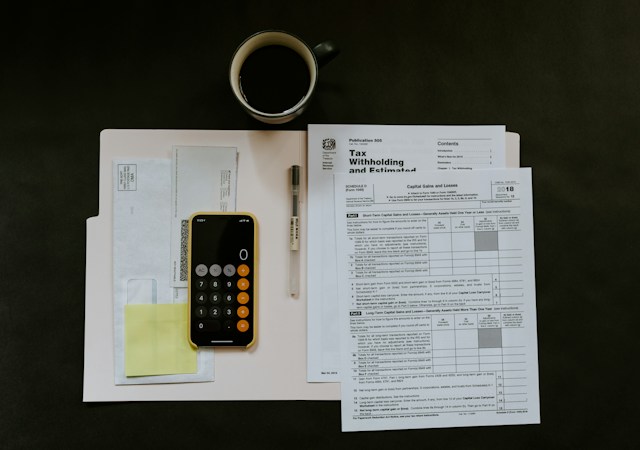
EIN: a free federal employer identification number from the IRS, required to open a business bank account and file payroll taxes if you hire staff. Commercial auto insurance and general liability coverage: most commissaries and event organizers won't let you park without proof of coverage, and premiums typically run $2,000 to $6,000 a year depending on your truck's value and coverage limits. Vehicle registration and inspection: your truck or trailer needs standard state vehicle registration, and some states require a separate commercial vehicle inspection before you can legally drive it loaded with equipment.
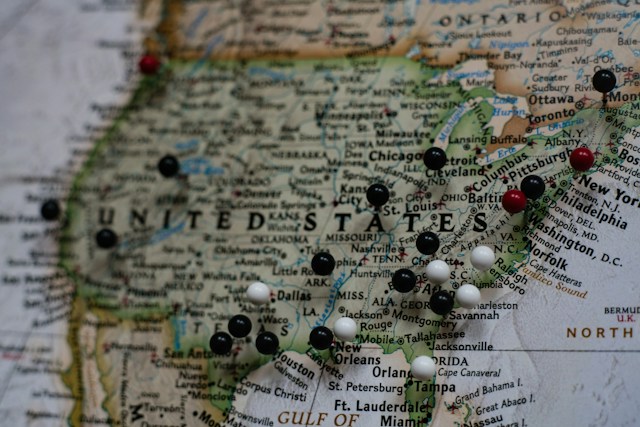
Oregon and Washington run permitting through the county health department rather than a single statewide office, so requirements shift depending on whether you're operating in Multnomah, Washington, Clackamas, Marion, Clark, King, or Spokane County. Oregon also requires a separate Temporary Restaurant License if you're working festivals or events outside your base county. We build and service trucks for operators across the region, including Portland, Beaverton, Salem, Vancouver WA, Seattle, and Spokane.
California requires CalCode compliance and county Environmental Health Department approval instead of a single state insignia program, and county rules can vary significantly, especially around commissary requirements and where you're allowed to park overnight. Texas mobile food units are regulated by the Texas Department of State Health Services (DSHS), and Dallas adds its own city mobile vendor permit on top of the state requirements. Utah requires a Mobile Food Establishment permit through the county health department, with Salt Lake City adding a separate business license and, in some districts, a sidewalk vending permit.
Every city and county has its own quirks, so it's worth checking the specific compliance guide for where you'll be operating. See our full permit and compliance breakdowns for Vancouver WA, Seattle, Spokane WA, Portland, Beaverton, Salem OR, Dallas TX, Utah, and California.
In Washington, the vehicle itself needs a state approval on top of your county health permit. The Department of Labor & Industries (L&I) inspects food trucks and concession trailers through its Factory Assembled Structures program, and a unit that passes gets an L&I insignia, a label tied to that specific vehicle's VIN. L&I's guidance is direct: it must inspect the unit before you start your business. County health departments, including Spokane Regional Health District, expect L&I approval before they do their own pre-operation inspection. Custom Food Trucks LLC submits L&I plans as an approved manufacturer, so for units we build, the plan package and insignia inspection are handled through our shop.
Who needs it: a food truck or concession trailer falls under L&I if it's licensed as a vehicle, is no wider than 8.5 feet, serves customers who stay outside the unit, and has at least one of these: a 120-volt or larger electrical system, a water or drain system, or propane gas piping. That covers almost every working kitchen on wheels. Push carts and food delivery vehicles are not regulated by L&I, and a unit that customers walk into is reviewed as a commercial coach instead.
Plan approval or inspection only: L&I has to approve your plans before the inspection if the unit has commercial cooking equipment that needs a hood (fryers, ranges, ovens), wood or charcoal cooking, propane piping, electrical service over 50 amps, over 240 volts or more than five circuits, solar or other alternate energy, a toilet, or any single piece of equipment over 500 pounds. A plan package includes a floor plan, electrical load calculations, gas and plumbing schematics, and hood and fire-suppression drawings, and L&I says review can take several months. A simpler unit with none of those skips plan review and goes straight to an insignia application and inspection.
What the inspector checks: propane tanks have to be mounted on the trailer hitch, under the floor or in a sealed compartment vented to the outside, never on the roof, at the rear or inside. Cooking under a hood needs a fan rated for commercial kitchens, and Type I hoods need fire suppression. The unit gets one main power supply sized to its number of circuits, GFCI outlets near sinks, and an RV-listed generator if it has one. Water lines must be an approved material such as PEX or copper with a backflow preventer, and the gas, water and drain systems are all tested. If the unit isn't ready on inspection day, L&I still charges for the visit.
Buying used or from out of state: L&I warns that a truck that has run for years in another state is no guarantee it will pass in Washington, and older units often need expensive rework. Changes to an approved design need an addendum, so adding a fryer or more circuits later can mean another review. Before you buy a used unit, make sure the L&I insignia is on it and matches the VIN. If you're planning a build for Vancouver, Seattle or Spokane, settle your equipment list early, because it decides whether you need plan review. Questions go to L&I's Factory Assembled Structures program at 1-800-705-1411, option 3. This section reflects L&I's food truck and trailer guidance as of October 2026.
Total startup costs for permits and licenses typically land between $500 and $2,500, though it varies widely by city and business type. A mobile vendor permit alone might run $100, while a full commissary agreement and health department inspection package can push past $1,000 before you sell a single item.
Costs break down by permit type: a basic mobile vendor permit runs $50 to $400 depending on your city, a commissary kitchen agreement typically runs $200 to $800 a month, and vehicle inspection or fire suppression certification can add another $75 to $500 upfront. Most permits also renew annually, so budget for a recurring cost, not just a one-time fee, when you're planning your first year.

Letting paperwork lapse is the other big one. Business licenses and vendor permits typically renew annually, but it's easy to lose track of the date when you're running a truck day to day. Set a calendar reminder for every renewal, keep digital copies of every permit in the truck, and re-check requirements before you take a booking in a new city or county, since a permit that's valid in Portland doesn't automatically cover you in Seattle or Salt Lake City.
The most common mistake is assuming one permit covers everything. Operators get shut down when they have a business license but skip the county health permit, or when they let a fire suppression certification lapse without realizing it expired. Working across city lines without checking each municipality's separate vendor permit is another frequent trigger for an on-the-spot closure, especially at festivals and events where inspectors check paperwork before you're allowed to open your window.
No. Most permits and licenses are city- or county-specific, so a permit that's valid in Vancouver doesn't automatically let you operate in Seattle or Salem. If you're planning to work multiple markets, budget time and money for a separate vendor permit (and sometimes a separate business license) in each city, and check health department and fire code rules locally, since requirements can vary even between neighboring cities in the same state.
Timelines vary by city, but plan for 2 to 6 weeks from application to approval in most areas. A straightforward mobile vendor permit in a smaller city might clear in a couple of weeks, while a commissary agreement, health inspection, and fire suppression sign-off in a larger city like Seattle or Portland can take a month or more, especially during the busy spring and summer application season. Apply early and keep copies of every document, since a missing form is the most common cause of delay.

Consequences range from an on-the-spot fine to being shut down for the day, and repeat violations can put your vendor license at risk. Inspectors at festivals and events routinely check paperwork before service starts, and a code enforcement officer can ask to see your permits during a regular shift. The fix is prevention: keep physical and digital copies of every permit in the truck, know which documents each city requires before you book an event there, and renew on time so you're never caught with an expired permit during an inspection.
Permitting doesn't have to slow down your launch. Custom Food Trucks LLC builds trucks that are ready to pass inspection from day one, and we can walk you through exactly which permits your city requires before you ever hit the road. Contact us today to get your build started and your paperwork on track.
Published by Custom Food Trucks LLC | Published: September 24, 2026 | Last updated: October 8, 2026 | Custom Food Trucks LLC, 14976 SE 172nd Ave, Clackamas, OR 97015