OPEN 9:00 AM - 6:00 PM

503-757-8301
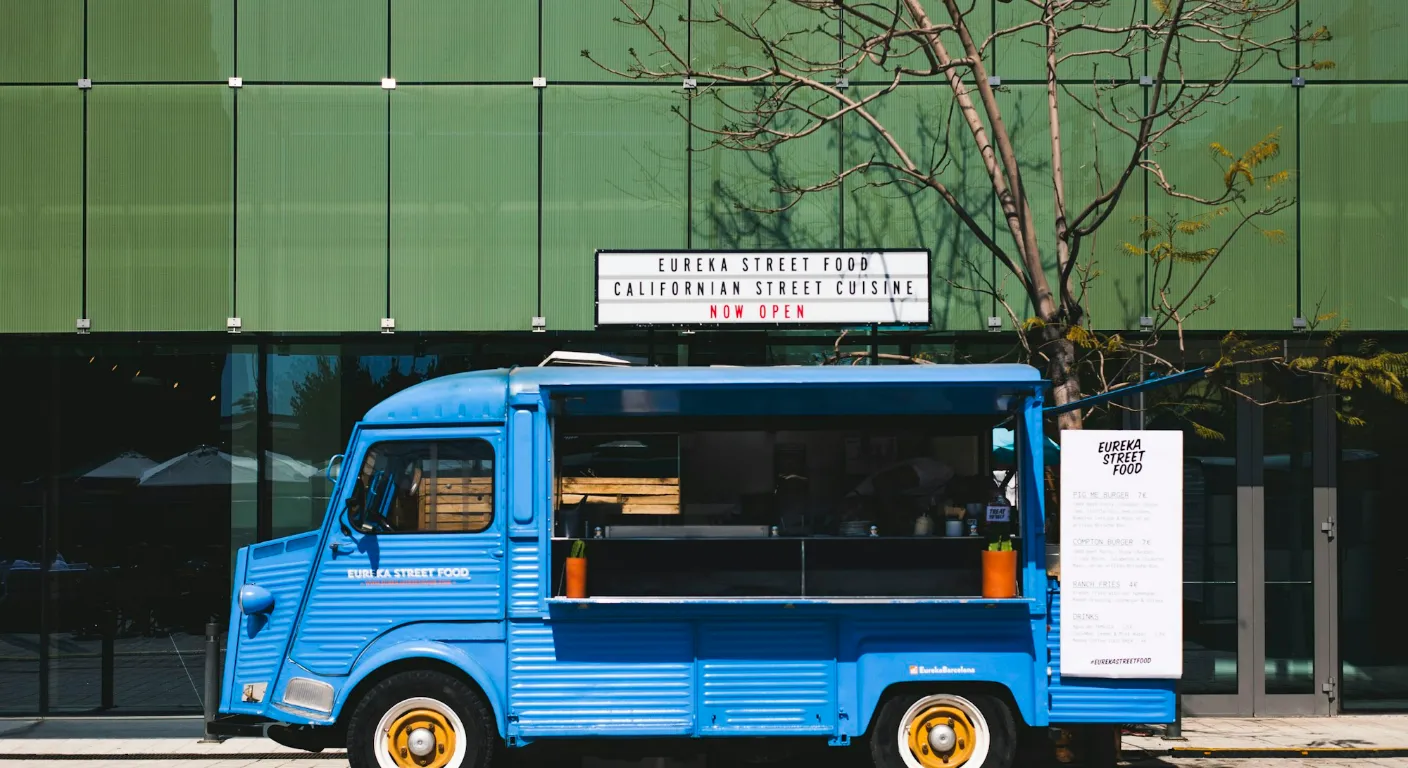
A new custom food truck usually costs between $50,000 and $110,000 or more, depending on its size, the menu it is built for and the equipment inside. A used truck can run anywhere from $30,000 to $100,000. After 150+ builds over 13 years in Clackamas, Oregon, here is how those numbers break down and what to budget for beyond the truck itself.
Size sets the starting point, because it decides how much steel, wiring and equipment goes into the build. Small trucks start around $50,000. They suit coffee, dessert, shaved ice and other menus that need only a few appliances and one or two people working the window.
Medium trucks usually land between $70,000 and $80,000. This is the size we build most often for tacos, burgers, sandwiches and rice bowls, with room for a flat-top, a fryer, a prep cooler and a full sink setup.
Large trucks begin around $110,000. Full grill lines, pizza ovens, two-person cook stations and heavy refrigeration raise the price, and so does a bigger chassis that can carry the weight. Local rules matter too: some counties ask for larger water tanks, extra hood features or added inspections, and those requirements show up in the final number.
Used food trucks sell for roughly $30,000 to $100,000. The lower price is tempting, but an older truck often needs a new generator, updated wiring or a replacement hood before an inspector will sign off, and those repairs can close the gap with a new build quickly.
If you shop used, check the engine and transmission, look under the floor for rust and water damage, test every appliance, and ask which county last approved the truck. An approval in one county does not carry over to the next, so a truck bought from another state may need changes before it can operate where you live.
A new custom truck costs more up front, but the layout is planned around your menu, the equipment is new and under warranty, and the build follows your local requirements from day one. Financing is available on new builds, which spreads the cost over time.

Resale is worth thinking about as well. A clean, well-documented truck with commercial-grade equipment holds its value far better than a patched-together conversion, which matters if you plan to upgrade or sell in a few years.
We price every truck from the menu backward. A coffee truck needs espresso power, water filtration and lots of counter space, while a burger truck needs a hood, fire suppression and enough refrigeration for a busy lunch rush. The menu decides the equipment, and the equipment decides most of the price.
The other big variables are the chassis (a step van, a box truck or a towable trailer), the power setup, propane or all-electric cooking, and finish work such as stainless walls, LED lighting and the size of the service window. If you want the lowest entry price, a food trailer is usually the cheaper route because there is no engine or drivetrain to pay for.
Prices also shift from state to state, because each one has its own health, fire and vehicle rules. If you plan to operate outside Oregon, see what applies in California, Texas or Utah before you set a budget.
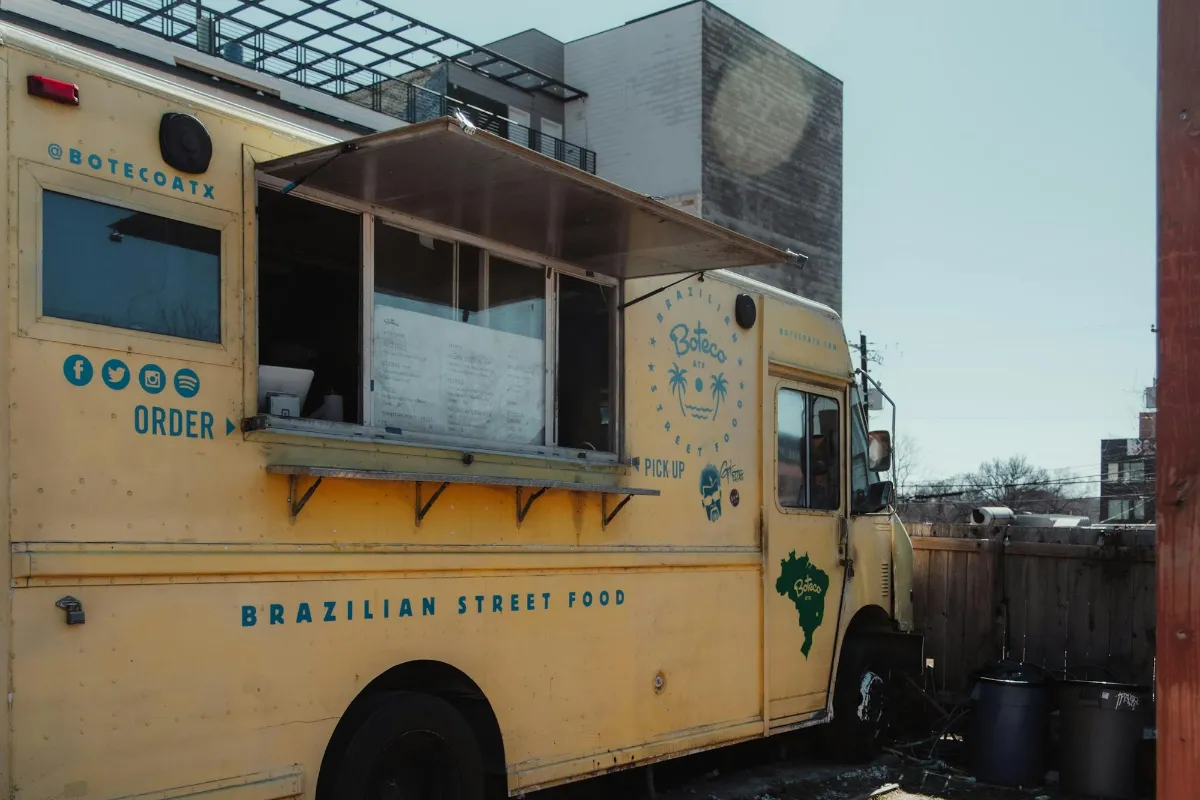
The truck is the biggest check you will write, but it is not the only one. Plan for a vinyl wrap ($2,000 to $5,000), a point-of-sale system, health and business permits (often a few hundred dollars each), and your first round of inventory, packaging and cleaning supplies.
Monthly costs keep coming after launch. Most counties require a commissary kitchen, which typically runs $400 to $1,200 a month. Insurance often lands around $200 to $400 a month, fuel and propane $500 to $1,500 depending on how far and how often you drive, and food cost usually sits near 28 to 35 percent of sales.
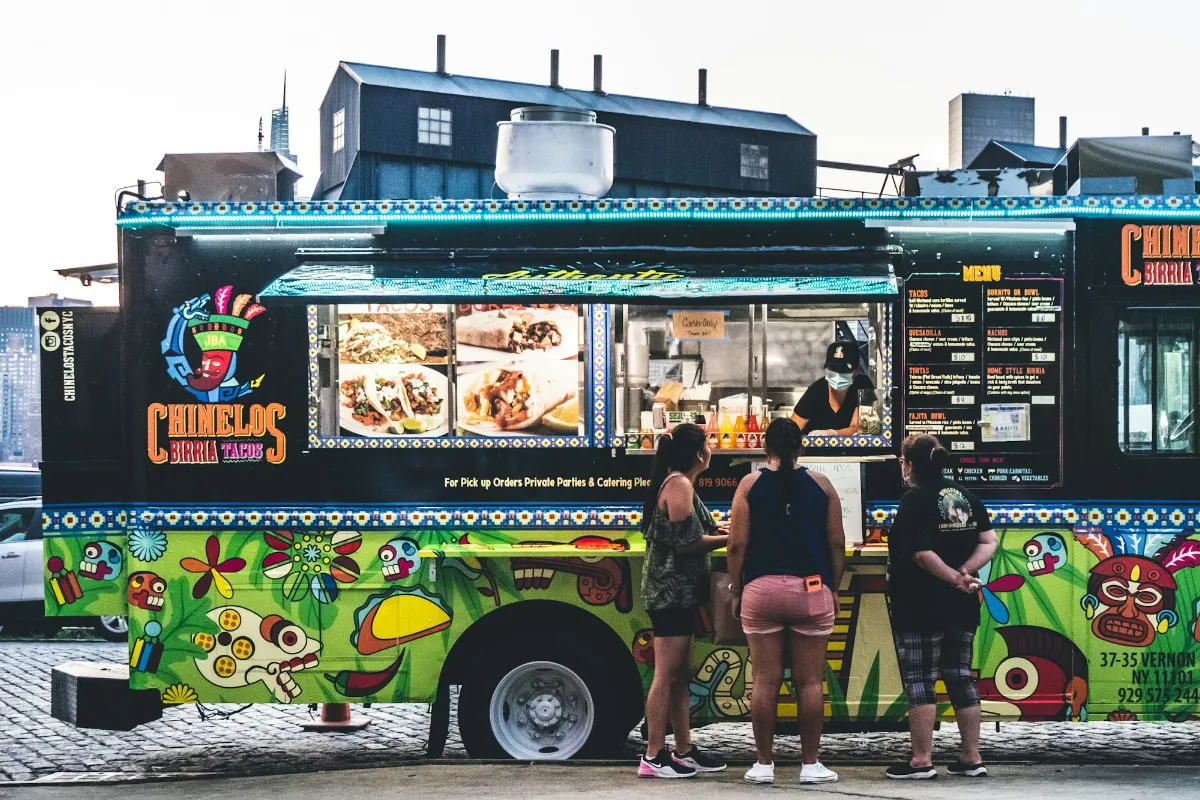
Keep the menu tight. Every extra cooking method adds equipment, power draw and weight, so a focused menu is the simplest way to shrink the build price. You can add items later, once you know what sells.
Spend money where inspectors and customers notice it: the hood and fire system, sinks and water tanks, refrigeration and a reliable power source. Save on things that are easy to upgrade later, like a full wrap, menu boards or extra lighting. Having your plans reviewed before the build starts also prevents expensive rework.
With a new custom truck, most owners spend around $60,000 to $130,000 to get on the road once the wrap, permits, POS system, first inventory and a few months of commissary and insurance are added to the truck price. Buying used or starting with a trailer can bring that total down.
Usually, yes. A trailer has no engine, transmission or driver's cab, so the same kitchen often costs less to build and maintain. You will need a tow vehicle rated for the trailer's loaded weight, so price that in if you do not already own one.
No. Approval comes from your county health department, and its fees are separate from the build. We build to the layout and equipment requirements inspectors check, which keeps the approval step simple.
Ready to put a real number on your truck? Tell Custom Food Trucks LLC about your menu, where you plan to operate and your timeline, and we will send you a free estimate.
Published by Custom Food Trucks LLC | Published: October 20, 2026 | Last updated: October 20, 2026 | Custom Food Trucks LLC, 14976 SE 172nd Ave, Clackamas, OR 97015